
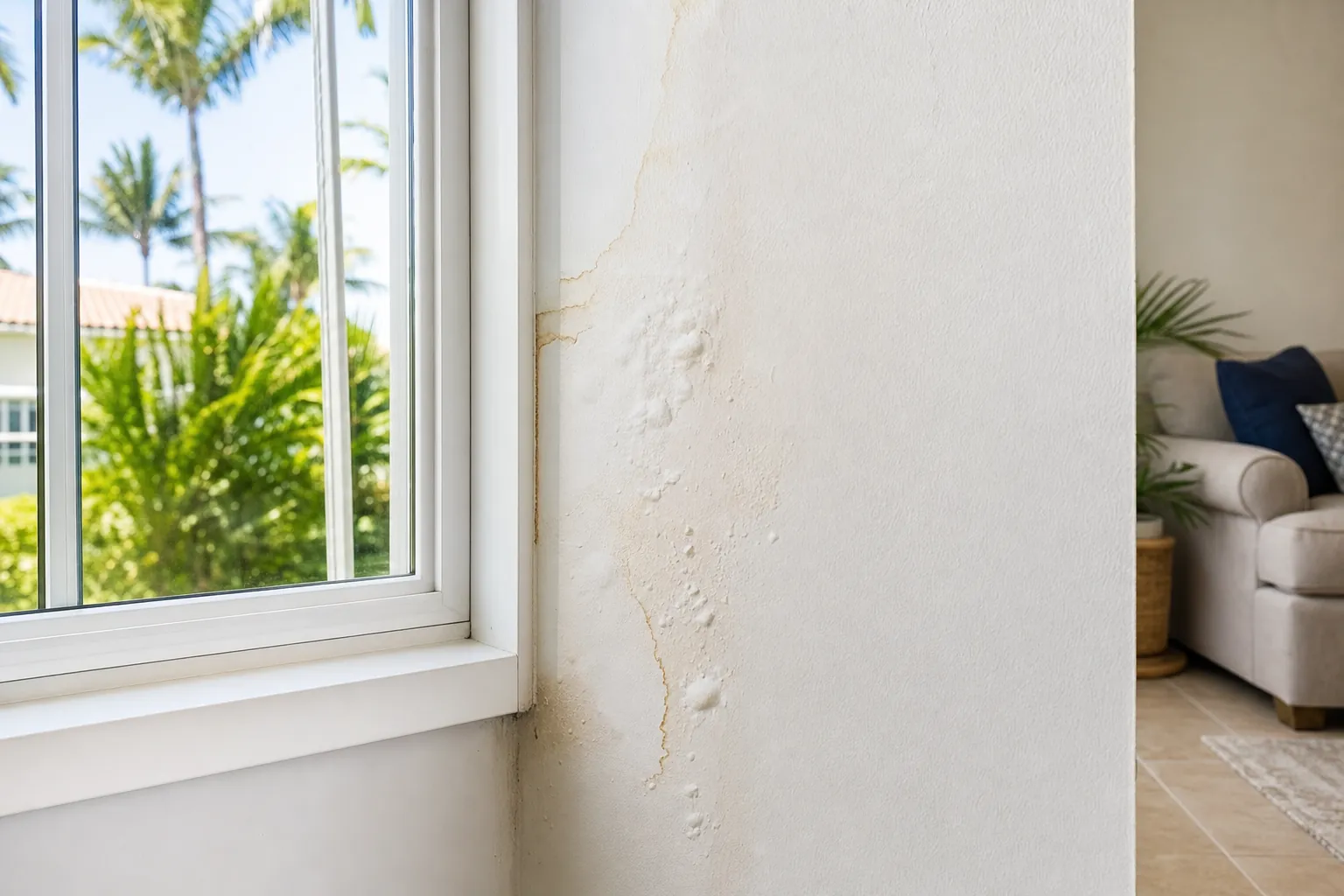
Water damage in a wall rarely announces itself with a dramatic burst pipe. More often, it starts with something ordinary: a faint brown mark near a window, a patch of paint that no longer sits flat, a baseboard that looks a little taller than it used to, or a musty smell in a room that is normally dry. Those small clues are worth taking seriously because drywall, trim, insulation, and framing can hold moisture out of sight.
For a homeowner, the goal is not to diagnose every hidden issue from the surface. The goal is to notice the pattern early, stop any active water source, and decide whether the wall needs repair. That approach is especially useful after heavy rain, a plumbing leak, a backed-up drain, a roof issue, or a long stretch of humid weather. The Environmental Protection Agency advises drying wet areas quickly and fixing the moisture source, because prolonged dampness creates the conditions for mold growth.
1. Brown, yellow, or grey stains that keep coming back
A water stain usually looks different from ordinary dirt. It may have a soft edge, a ring, a darker center, or a shape that follows a crack, window opening, ceiling line, or plumbing wall. The color can range from pale yellow to brown or gray. A stain below a bathroom, near a ceiling, or beneath a window is a stronger clue than a mark in the middle of an otherwise dry wall.
The important detail is whether the stain changes. A mark that gets darker after rain, after a shower, or when an appliance runs points toward active moisture. A stain that reappears after painting is also a warning. Paint can hide the color temporarily, but it cannot stop a leak behind the surface. Take a clear photo, note the date, and look for the timing that makes it worse. If the stain is near a roofline or window after a storm, Florida’s wind mitigation guidance specifically recommends checking openings for water penetration.
2. Bubbling, peeling, or flaking paint
Paint needs a dry, stable surface to stay bonded. When moisture gets behind it, the paint film can lift away from the drywall. You may see bubbles, blisters, peeling flakes, or a slightly wrinkled texture. This often shows up around windows, exterior walls, bathrooms, laundry areas, and ceilings below plumbing.
Humidity alone can affect paint, so bubbling is not automatic proof of a leak. Still, it deserves a closer look when it is paired with staining, a soft wall, damp trim, or a musty odour. Do not rush to scrape and repaint the area just to make it look better. Check for the source first. A nearby window seal, roof flashing issue, shower wall, supply line, drain, refrigerator line, or air-conditioning drain can all send water to a place that is not directly underneath the original problem.
3. Drywall that feels soft, swollen, or uneven
Drywall is made to create a smooth interior surface, not to stay wet. When it absorbs water, it can soften, bow, swell at seams, or feel slightly spongy when pressed gently. You may also notice raised tape joints, a wall surface that is no longer flat, or small cracks that were not there before. A ceiling can sag as water adds weight, which is a situation to treat as urgent.
Avoid pressing hard enough to break the surface. You are looking for a change in texture, not trying to prove how weak it is. If the area is visibly swollen, sagging, or spreading, keep people and furniture away from it and arrange help promptly. Do not cut into drywall near outlets, switches, or wiring unless you know the electrical area is safe. After a significant water event, FEMA advises homeowners to address water and power safety before starting cleanup or repairs.
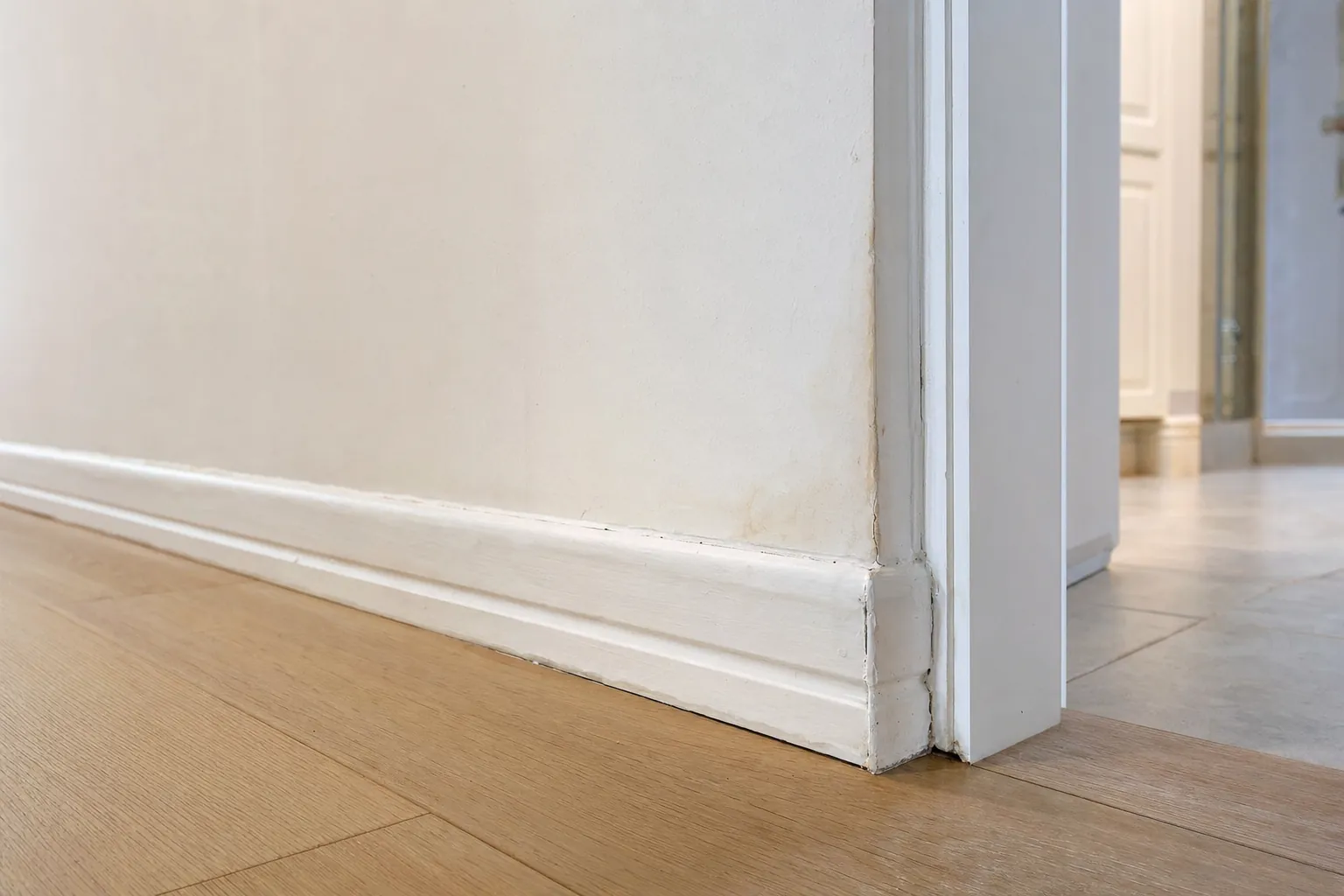
4. Swollen baseboards, trim, or flooring at the wall
Water does not always leave an obvious mark higher on the wall. It often travels down and collects at the baseboard or under the flooring edge. Look for trim that is separating from the wall, a baseboard with swelling or rippling, cracked caulk, a soft spot at the bottom of the drywall, or flooring that looks raised near a wall. These are common clues after a slow plumbing leak, an overflowing fixture, water entering under an exterior door, or moisture that ran down inside a wall cavity.
This is also why a quick visual scan after a leak matters. Open the cabinet below a sink, check behind a toilet, look around the water heater, and inspect wall edges near appliances that use water. A small amount of water that escapes once may be easy to dry. Repeated moisture is different: it gives materials time to absorb water and makes the eventual repair larger than it needed to be.
5. A musty smell or a room that feels unusually damp
Your eyes may not catch every moisture problem first. A persistent musty smell, stale air in one room, or a closet that feels damp can be an early clue that water is sitting somewhere it should not be. The smell does not tell you exactly where the problem is, but it tells you not to ignore the possibility of moisture behind a wall, under a floor, or around a vent.
Start with the obvious areas: bathrooms, laundry rooms, kitchens, exterior corners, closets against an exterior wall, and rooms below a roof or upstairs plumbing. Look for condensation, slow drips, damp cabinet bottoms, water around an air-conditioning line, or changes that appeared after a storm. The EPA’s mold and moisture guide is clear on the priority: control the moisture, then clean and dry the affected area. Spraying fragrance, adding a dehumidifier, or painting over the surface may make a room feel better for a day, but it does not solve a continuing leak.
6. Visible mold, dark spotting, or fuzzy growth
Visible mold is a sign that the moisture problem has been there long enough to support growth. It may show up as dark, greenish, white, or gray spotting, but color alone is not a reliable way to identify what it is. Treat any unusual growth on a damp wall, baseboard, ceiling, or cabinet surface as a reason to stop guessing and deal with the moisture source.
Small surface areas on hard, non-porous materials may be cleaned safely with the right precautions, but wet, porous materials are a different situation. Drywall, ceiling tiles, insulation, and carpet padding can hold moisture and may need removal or professional assessment when mold or extensive dampness is present. The EPA notes that painting or caulking over moldy surfaces is not a fix; the moisture problem and the mold both need to be addressed first.
What to do when you spot water damage in a wall
- Stop the water if you can do it safely. Turn off the fixture or appliance valve for a suspected plumbing leak. If the cause is rain or an exterior opening, protect the area and arrange a proper inspection rather than assuming it will dry on its own.
- Document the condition. Take photos before cleaning, moving trim, or opening a wall. This helps track whether the issue is spreading and can be useful when you need to explain the problem to a repair professional or insurer.
- Move items away and dry what is accessible. Remove rugs, boxes, furniture, and other absorbent items from the area. The EPA recommends drying damp materials quickly, ideally within 24 to 48 hours, to help limit mold growth.
- Do not close the wall too soon. Replacing or patching drywall before the leak is fixed and the area is dry can trap the problem behind a fresh surface. The wall may look new while the moisture continues to damage materials behind it.
- Match the repair to the cause. A small, dry, one-time stain may need a straightforward drywall patch and paint prep after the source is corrected. Active leaks, sagging ceilings, recurring stains, visible mold, floodwater, or electrical exposure need a more cautious response.
When a handyman repair is the right next step
Once the source of the moisture has been found and stopped, the visible damage often still needs attention. That can include removing compromised drywall, replacing a small section of wall, repairing trim or baseboards, smoothing the patch, and preparing the surface for paint. For homeowners with a short list of related fixes, combining the wall repair with other small jobs can be more practical than scheduling separate visits.
Tip-Top Services can help with the repair side of a resolved moisture issue, including drywall repair in Fort Lauderdale, trim touch-ups, paint preparation, fixture work, and other punch-list repairs. Review the full service list to see how the work can be grouped for one visit. If the source is still active, start by identifying the leak or water entry point; cosmetic repair should come after that step, not before it.
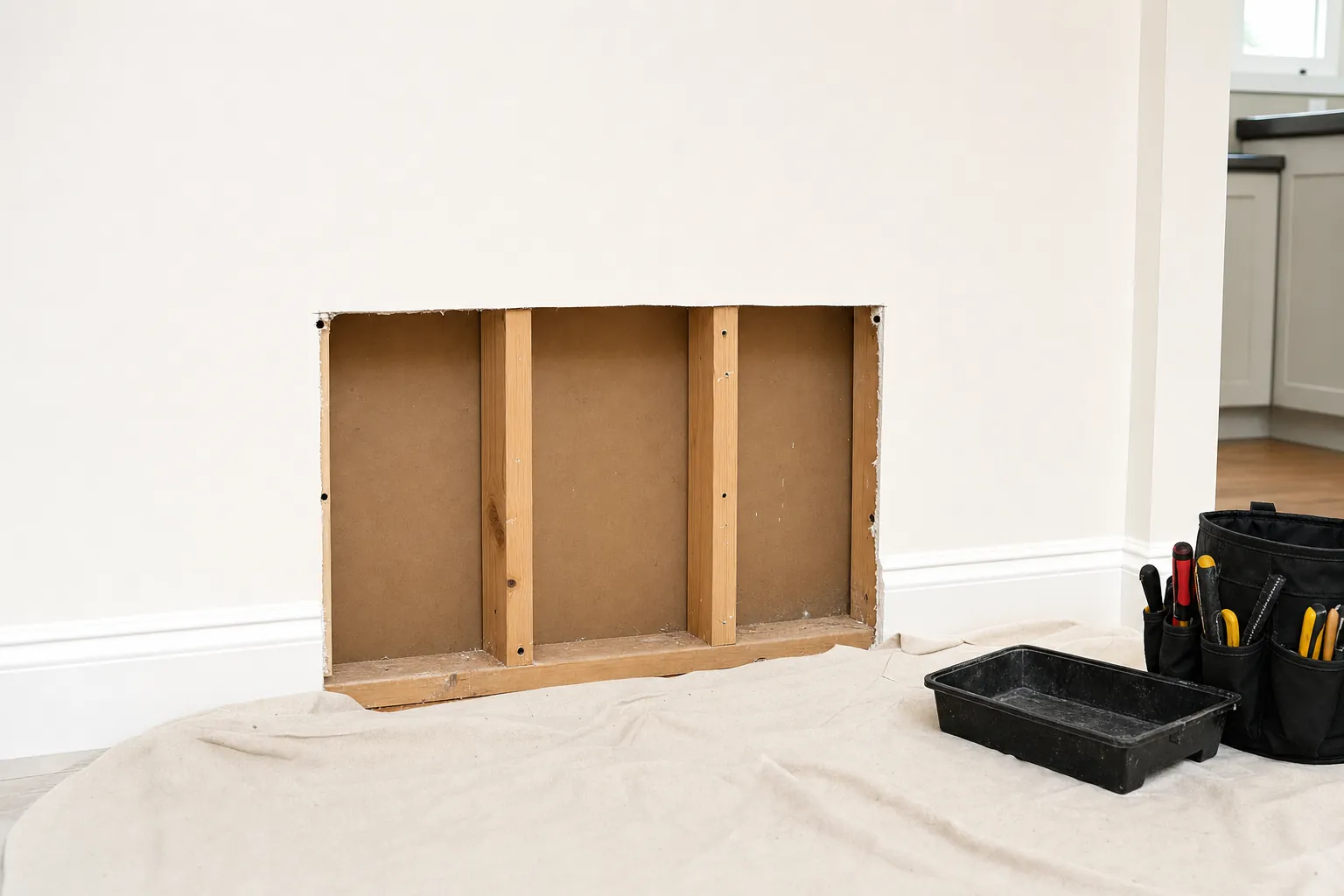
A simple rule: solve the water problem before the wall problem
It is tempting to focus on the visible spot because it is the part of the problem you can see. But water damage is usually a sequence: water gets in, materials get damp, the wall surface changes, and then the repair becomes more involved if the moisture is left alone. Breaking that sequence early protects the home and makes the eventual repair clearer.
For Broward County homeowners, a useful habit is to do a short check after a strong rainstorm, a plumbing issue, an appliance leak, or a period when the home has been closed up. Look around windows, exterior doors, ceilings, bathrooms, laundry areas, and baseboards. It takes only a few minutes, and it can turn a hidden issue into a manageable repair. For broader seasonal planning, the site’s Florida home repair statistics explains why storm exposure and regular maintenance matter locally.
Need a wall repaired after the moisture issue is fixed?
Tip-Top Services handles practical drywall and finish repairs across Broward County and Boca Raton.
Request a QuoteFrequently Asked Questions
Can water damage in a wall dry out on its own?
A small amount of surface moisture may dry, but the important question is whether the water source has stopped and whether moisture remains inside the wall. If staining, softness, odour, bubbling paint, or swelling continues, the area needs a closer look before it is sealed or repainted.
Is bubbling paint always water damage?
Not always. Paint can lose adhesion because of poor preparation, age, or humidity. But bubbling or peeling that appears near a window, roofline, plumbing wall, bathroom, or ceiling should be treated as a possible moisture warning until the cause is ruled out.
When should I call someone for water-damaged drywall?
Call promptly when the drywall is soft, sagging, cracked, swollen, repeatedly staining, or affected by an active leak. Also get help before opening a wall near electrical outlets or when you can smell persistent dampness or see visible mold growth.
Can you paint over water stains on a wall?
Only after the leak or moisture source is fixed and the material is fully dry. Painting first can hide the warning sign for a while, but it will not stop continuing moisture damage or prevent the stain from returning.